
Some might ask the question, “Are Tesla’s batteries recyclable?”. Lets take a deep dive.
In recent years, the global push for sustainable energy solutions has intensified, and Tesla has emerged as a frontrunner in the electric vehicle (EV) industry. Beyond producing cutting-edge cars, Tesla is also committed to environmental responsibility through its innovative battery recycling program. In this blog post, we will explore how Tesla is revolutionizing the recycling process and repurposing old batteries to create new ones, contributing to a more sustainable future.
Tesla’s Battery Recycling Program:
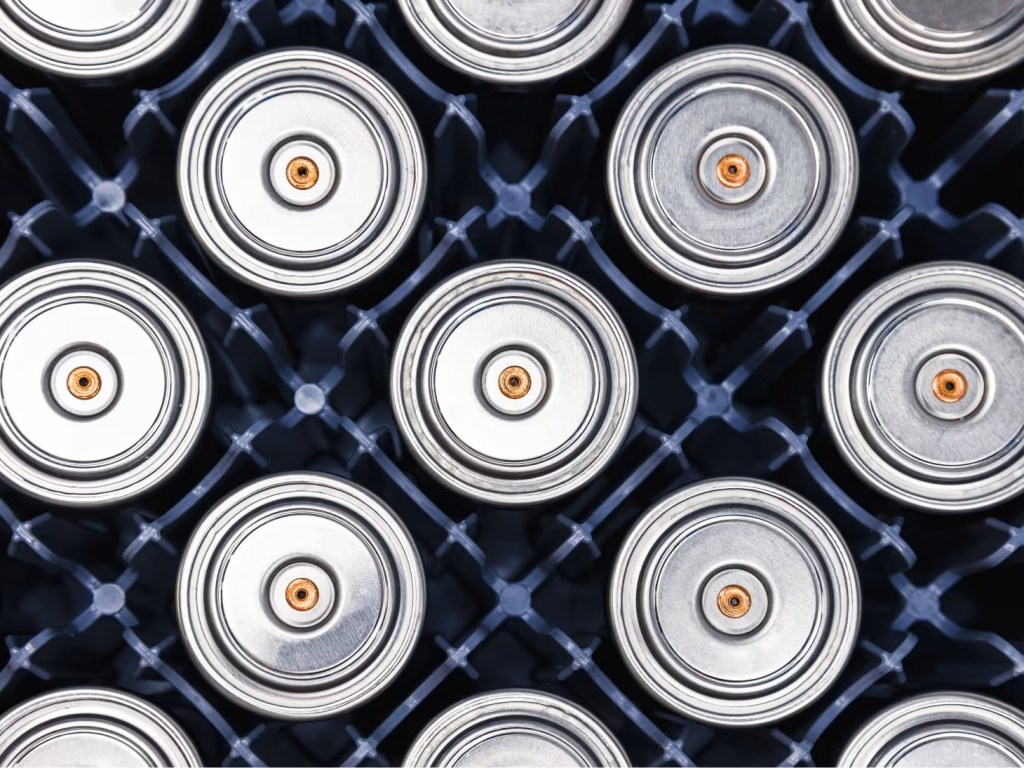
Tesla’s battery recycling initiative aims to maximize the lifespan of their lithium-ion batteries, minimizing waste and reducing the demand for new raw materials. The company understands that while EVs offer significant environmental benefits, it is crucial to address the entire lifecycle of the batteries.
Process of Recycling:
When a Tesla battery reaches the end of its useful life, it enters the company’s recycling program. The batteries undergo a series of advanced processes to extract valuable materials and ensure their safe disposal. The recycling process primarily involves the following steps:
1. Collection and Sorting: Tesla collaborates with authorized recycling partners to collect and sort used batteries. This ensures proper handling and segregation of materials.
2. Extraction of Valuable Materials: Advanced recycling technologies are utilized to recover valuable materials like lithium, cobalt, nickel, and aluminum from the batteries. These materials can then be reused in the production of new batteries.
3. Safe Disposal of Residuals: Any remaining materials that cannot be recycled are disposed of in an environmentally responsible manner to avoid any adverse effects on the ecosystem.
Some examples of residuals would be:
1. Non-Recyclable Materials: Despite advanced recycling technologies, there may be certain materials within the batteries that cannot be efficiently recycled. These materials could include plastics, organic binders, and other components that cannot be easily separated or recovered.
2. Contaminants: During the battery recycling process, contaminants such as dirt, dust, or small metal particles may be present. These contaminants need to be carefully managed and disposed of to prevent any negative environmental impacts.
3. Hazardous Substances: Lithium-ion batteries contain hazardous substances, including electrolytes and other chemicals. While efforts are made to recover and recycle these substances, there may still be residues that require special handling and disposal to ensure they do not pose a risk to human health or the environment.
To manage these residuals, Tesla and its authorized recycling partners adhere to strict environmental regulations and safety protocols. They work closely with regulatory bodies to ensure that all waste products are handled in accordance with the applicable laws and guidelines.
Battery-to-Battery Recycling:
In addition to reclaiming valuable materials, Tesla is taking recycling a step further by exploring battery-to-battery recycling. This innovative approach involves repurposing old battery modules into new ones, further extending their useful life. By refurbishing and reintegrating components that still meet high-quality standards, Tesla can optimize the recycling process and reduce the need for additional raw materials.
Environmental Impact and Benefits:
Tesla’s commitment to battery recycling and reusing old batteries brings several environmental benefits. By recycling materials instead of relying solely on mining, the company reduces its carbon footprint and minimizes the environmental impact of resource extraction. Additionally, by repurposing old batteries into new ones, Tesla reduces the overall demand for raw materials, conserves energy, and decreases waste generation.
Conclusion:
Tesla’s battery recycling program showcases the company’s commitment to sustainability and the circular economy. By recovering valuable materials and repurposing old batteries into new ones, Tesla is setting a remarkable example for the industry. Through their innovative approach, Tesla not only reduces waste and environmental impact but also helps accelerate the transition to a more sustainable energy future. As technology continues to advance, Tesla’s efforts in battery recycling will undoubtedly play a significant role in shaping a greener and cleaner world for generations to come.
Sources:
1. Tesla Battery Recycling: Reducing Waste, Adding Value. (Tesla Blog) – [link](https://www.tesla.com/blog/tesla-battery-recycling-reducing-waste-adding-value)
2. Tesla’s Recycling Program: How Tesla Turns Old Batteries into New Ones. (EcoWatch) – [link](https://www.ecowatch.com/tesla-recycling-program-2647005368.html)
3. Tesla’s Battery Recycling Revolution. (EnergySage) – [link](https://news.energysage.com/tesla-battery-recycling-revolution/)
Written By:
Brooklynn Alexx
@BrooklynnAlexx on all platforms



 Curiosity Cubby